
Welcome to the Children's Directory, your complete online guide to services for children, young people and families. related link to parent, family, education, society, shopping, sport, game, and much more.
Home About          

Archive for May, 2009

Ways To Help Your Children To Read And Write

Friday, May 22nd, 2009

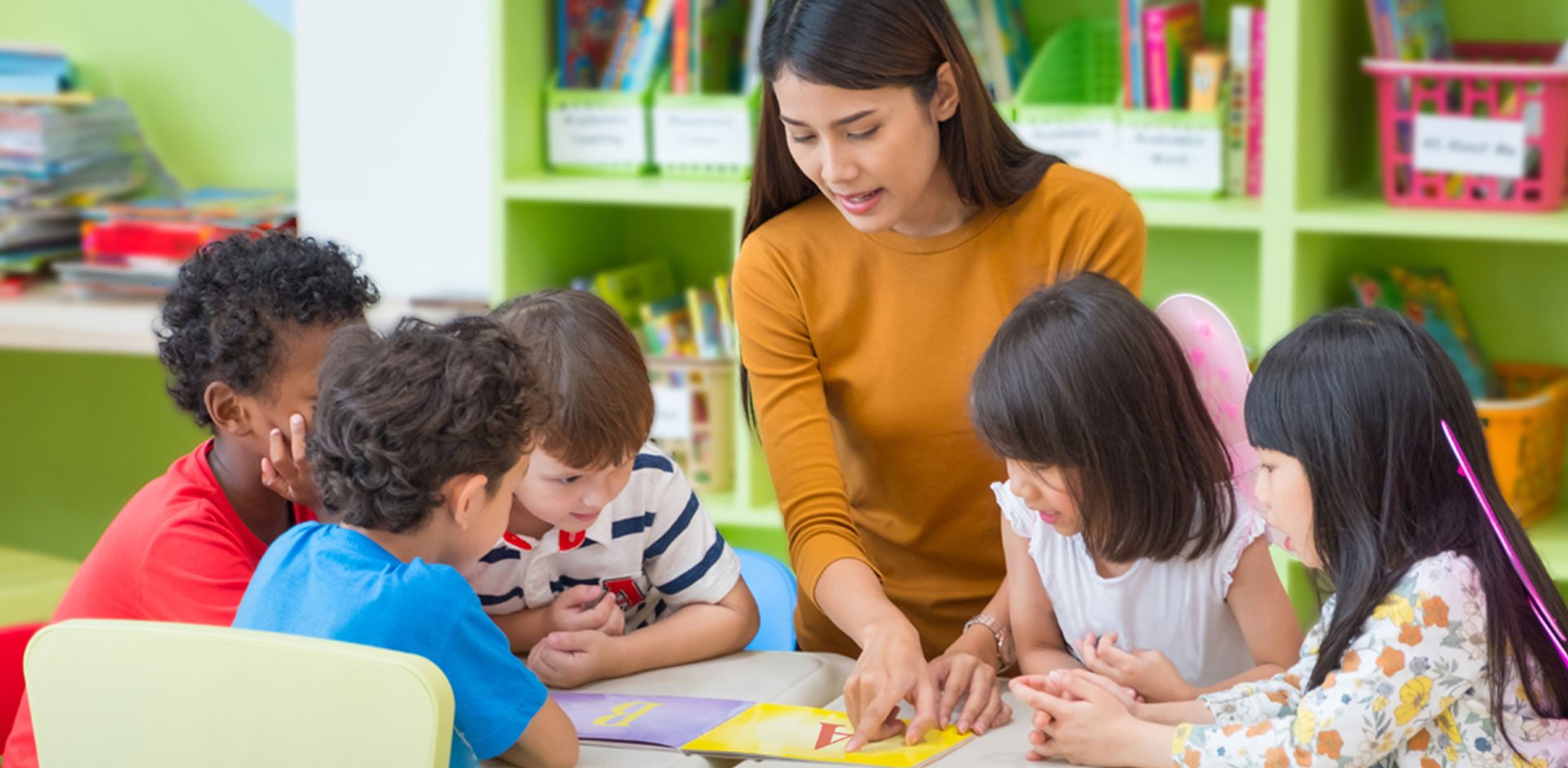
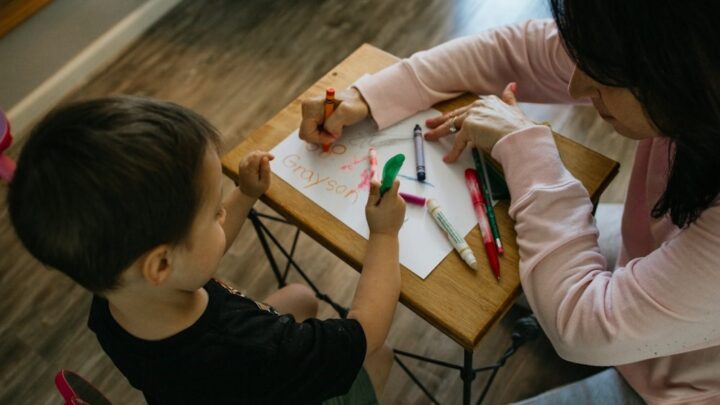
As a parent, teaching your child to read and write is one of the most important things that you will do for them. Reading and writing are an important part of what your children learn during their first years at school. Parents often like to get a jumpstart on facilitating how quickly their children are learning to read or learning to write.This article will show some ways to help your children to read and write:

1. Build an environment that fosters reading and writing in your home. Things such as books, educational toys, learning supplies and an area that is dedicated to learning will help with writing in particular. Writing is largely hand  or eye coordination ad the more that you can encourage your child to write and draw, the stronger those skills will develop.

2. If you are working with your young child on learning to read or write, ensure that the sessions are brief in nature. Young children have short attention spans and you will want to have effective, short lessons that are spaced apart. This method of teaching will ensure a greater retention of the material.

3. Leverage educational tools and teaching aids such as phonics programs, activity lessons, and activity white boards. Children learn by what they hear, see and do, so the more stimuli that you can use to teach your child to read and write, the more effective you will be as a teacher.

4. Use everyday experiences to foster learning for your child. Point to as many stimuli that you come into contact with daily and help them to associate the word with the item in a repetitive fashion until your child picks it up. For example, when you are driving if you see something of interest like an animal, or a landscape or even another car, point at it and use the word.

5. Reading is a great way to teach your child both reading and language skills. Young children love to hear stories. So, choose books that weave stories together with learning to engage your child. Point to the pictures and say the associated words to help your child to learn them as well. Read a variety of books to your child to also help them expand their learning capabilities.

6. Work to make learning fun for your child. Working with different lessons, different learning tools and different environments will not only help your child to learn, but it will help them to build an appreciation and a fondness for the learning process.

7. Be consistent with your children when you are teaching them something. This requires discipline on the part of the parent, but is necessary to reinforce concepts and ideas. Work with your child until they have grasped a concept and then move onto the next learning concept.

8. Use positive reinforcement when you are teaching your child. It is important that your child does not associate learning as a negative process,so reward when appropriate and be encouraging when they are having challenges with a particular subject or area.Teaching your child to read and write is something which should go beyond preparing them for going to school. You should continue to do reading and writing with your child out of school as they may wish to clarify points with you that they do not want to ask their teacher.

Some Useful Tips For Baby Care

Friday, May 22nd, 2009

A baby is very delicate. Almost anything and every thing have a great impact on the baby. How a baby grows up is greatly influenced by its surroundings and the people around your baby, so the care of a baby is very important for its growth and development. The care of a baby should be done both professionally and gently. This article will give some useful tips for baby care:

Breast feeding: Everyday you have to bother about the baby’s feeding, sleeping, clothing, changing and bathing. It is the best to feed your own milk to the child. Please do not forget to give your the first milk of yours because that would contain colostrums, which is vital for the immune system of the child. Mother’s milk will always create the body resistance and the child will be a healthy one in future.When you are breast feeding your child, the food that causes problems in your body may be communicated to the baby as well. Foods that cause gas or cold should be avoided or the baby will have uncomfortable state or congestion.

Bottle feeding: If you are bottle-feeding your baby for some reasons, then make sure that the bottles are well sterilized and clean. Scrub them with washing liquids. Boil them for 25 minutes to kill unwanted organism that may have developed in it due to the fermenting milk. Steam sterilizer and cold sterilizer methods are also there, about which one has to consult with an expert and should see to it that those are readily available in the market.

Baby sleeping: The materials needed to put the baby to sleep are a good, firm mattress, sheets and blankets. Keep one feet distance from the nostril range of the baby if you are lying along with your baby on the same bed. There should not be unnecessary clothing or clothes around the baby’s body and bed which may cause temperature rise and heating. The baby is not going to talk about it, and you should be sensitive enough to remove the body coverings as much as possible. There should be a mosquito net, or at least a netted covering around the baby to keep away the flies and the mosquitoes.

Clothing: Summer clothes should be light cotton ones. When the baby is taken out, make sure that his head does not get the direct sun. In winter, there may be sweaters, trousers and other woolens.

Changing: The baby’s diapers should be regularly changed. The intervals should be fixed according to the baby’s routine of potting and wetting. Despite the routine, the baby may need changing because of untimely nature calls at times. It is the baby’s right to feel dry at every moment. See to it that the bed is not wetted and the smelly clothes and bed sheets are removed.

Bathing: The baby needs a mouth washing with cotton. A bath tub large enough to hold it and is easy to wash should be made available. The baby should enjoy the water which can be assessed if leg splashing which is very distinct. The baby should be rubbed with baby oil and baby cream. The nail clippers should be used at bath time. After bath, the baby should be thoroughly dried and should be applied with a baby powder.

Immunisation: The baby should be immunized against Small Pox & Measles with BCG within 3 months of its age. The first DPT (Diphtheria, Tetanus, Psertussis, Polio, HIB, Meningitis C) is due within the first 2 months followed by the 2nd and the 3rd one at one month intervals. The MMR vaccination against Measles, Mumps and Rubella should be done within 1 years of age. The boosters should be taken after the baby is 4 years old.

Training and Education: Though regular training and teaching should not be started before the age of three years, the child’s habits and sense of discipline is cultivated through the discipline the mother maintains. When the mother is calm against odds like the baby fever, or baby dysentery while making sure of the treatments, the child gets the idea to be calm against disastrous times.

However, the most important babycare tip that the parents should find enough time to spend with the baby.The more knowledge you gain before your baby arrives, the more comfortable you will be when your baby comes home and you are tending your baby needs on your own. Nowadays,with so many resources available to you in such a quick manner, you will quickly become a confident and caring parent.