


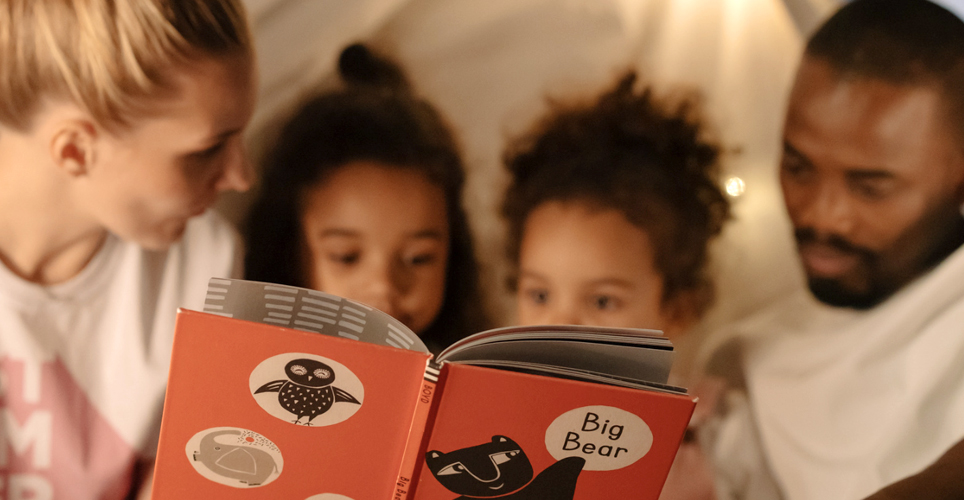
There’s something magical about watching a child’s eyes light up during storytime. As a parent who’s spent countless evenings curled up with my little ones, book in hand, I’ve witnessed firsthand how reading to kids transforms ordinary moments into extraordinary bonding experiences. But beyond the warm fuzzy feelings, reading aloud to children offers profound benefits that shape their development in remarkable ways.
The journey of sharing stories with your child doesn’t require perfection or dramatic performances. It simply needs your presence, patience, and enthusiasm for the written word. Whether you’re flipping through picture books with a toddler or tackling chapter books with older kids, the time you invest in reading together pays dividends that last a lifetime.
Table of Contents
The Science Behind Reading Aloud
Research consistently shows that children who experience regular read-aloud sessions develop stronger language skills, enhanced vocabulary, and improved academic performance. When you read to your child, you’re essentially giving their brain a workout. They’re absorbing new words, understanding story structure, and making connections between sounds and meanings.
Dr. Mem Fox, renowned children’s author and literacy expert, emphasizes that children need to hear a thousand stories before they can begin to learn to read. This isn’t just about quantity though. The quality of your reading sessions matters enormously. When you use different voices for characters, pause for dramatic effect, or discuss plot points, you’re teaching your child that reading is an interactive, engaging experience.
One platform that understands this principle beautifully is www.readtalea.com, which focuses on creating personalized stories that make children the heroes of their own adventures. This approach demonstrates how tailored storytelling can capture a child’s imagination more effectively than generic tales.
Creating the Perfect Storytime Environment
The secret to successful reading sessions lies in creating a cozy, distraction-free environment. Find a comfortable spot where you and your child can snuggle together naturally. This might be a favorite armchair, a pile of cushions on the floor, or even your child’s bed during bedtime routines.
Consistency matters more than perfection. Try to establish a regular reading schedule, whether it’s morning coffee and picture books or evening wind-down stories. Children thrive on routine, and knowing that storytime is coming creates anticipation and excitement.
Keep devices away during reading time. This isn’t just about eliminating distractions – it’s about showing your child that books deserve their full attention. When you model engaged reading behavior, your child learns to value focused attention and deep thinking.
Making Storytime Interactive and Fun
Reading to children shouldn’t feel like a performance, but adding interactive elements can significantly boost engagement. Ask questions about the pictures before reading the text. Encourage predictions about what might happen next. Let your child fill in familiar phrases or rhyming words.
Physical engagement works wonders too. Point to words as you read them, trace letters with your finger, or act out parts of the story. These activities help children understand that printed words have meaning and that reading involves multiple senses.
Don’t rush through books. If your child wants to spend five minutes examining a single illustration, let them. This curiosity about visual details often translates into careful attention to written details later. Similarly, if they want to hear the same story repeatedly, embrace it. Repetition helps children internalize language patterns and story structures.
Choosing the Right Books for Your Child
Selecting appropriate books can feel overwhelming given the endless options available. Start with your child’s interests. Love dinosaurs? Find books about prehistoric creatures. Fascinated by trucks? Explore transportation-themed stories. When children see their passions reflected in books, reading becomes personally meaningful.
Age-appropriate doesn’t always mean reading level-appropriate. It’s perfectly fine to read books that are above your child’s independent reading level. In fact, this exposure to complex language and ideas helps expand their understanding and vocabulary. Picture books aren’t just for toddlers – even school-age children benefit from the visual storytelling and condensed narrative structure they offer.
Consider diversity in your book selection. Choose stories featuring characters from different backgrounds, cultures, and experiences. This exposure helps children develop empathy and understanding while seeing themselves reflected in literature. Platforms like readtalea.com excel at creating inclusive, personalized stories that help every child feel represented and valued.
Building Reading Habits That Last
The goal isn’t just to read to your child during their early years – it’s to foster a lifelong love of reading. As children grow and develop independent reading skills, continue sharing books together. Chapter books offer wonderful opportunities for ongoing discussions about character development, plot twists, and themes.
Model reading behavior in your daily life. Let your children see you reading for pleasure, not just out of necessity. Share interesting facts you’ve learned from articles or discuss books you’re enjoying. When children see adults valuing reading, they’re more likely to adopt similar attitudes.
Create a home library, even if it’s just a small bookshelf or basket of books. Let children help organize and care for their books. This ownership feeling helps them value reading materials and see books as treasures rather than temporary objects.
Overcoming Common Reading Challenges
Many parents worry they’re not “good enough” readers to engage their children effectively. Remember, enthusiasm matters more than perfect pronunciation or dramatic flair. Children respond to genuine interest and emotion, not polished performances.
If your child seems restless during reading time, try shorter sessions or more interactive books. Some children need movement while listening, so don’t insist on sitting still if gentle fidgeting helps them focus. Pop-up books, texture books, or stories with sound effects can capture attention for children who struggle with traditional formats.
For families where English isn’t the primary language, reading in your native language offers tremendous benefits. Children gain literacy skills that transfer across languages, and they maintain important cultural connections. Many platforms now offer stories in multiple languages, making it easier to find engaging content regardless of your linguistic preferences.
The Long-Term Impact of Reading Together
The benefits of reading to kids extend far beyond improved test scores or advanced vocabulary. Children who experience regular storytime develop stronger emotional bonds with their parents. These shared experiences create lasting memories and establish books as sources of comfort and joy.
Reading together also builds critical thinking skills. When you discuss characters’ motivations, predict outcomes, or compare different stories, you’re teaching analytical thinking in an age-appropriate way. These skills serve children well throughout their academic careers and beyond.
Perhaps most importantly, reading to children communicates a powerful message: you value spending time with them, you believe learning is important, and you want to share the gift of stories. This foundation of love and learning creates confident, curious individuals who approach the world with open minds and rich imaginations.
Embracing Technology Thoughtfully
While traditional books remain incredibly valuable, thoughtful integration of technology can enhance reading experiences. E-books with read-along features help children connect spoken and written words. Interactive story apps can provide engaging entry points for reluctant readers.
Services like readtalea.com represent innovative approaches to children’s literature, creating personalized narratives that make reading feel special and unique to each child. When technology enhances rather than replaces human interaction, it can be a powerful tool for fostering reading enthusiasm.
Making Every Story Count
Reading to kids isn’t about checking off a parental duty – it’s about creating magic in everyday moments. Every story you share, every question you answer about a picture, every giggle you share over a silly character contributes to your child’s development in meaningful ways.
Start today if you haven’t already. Pick up a book, find a cozy spot, and begin the wonderful journey of sharing stories with your child. The investment you make in these early reading experiences will pay dividends for years to come, creating not just better readers, but more thoughtful, empathetic, and curious human beings.
Remember, there’s no perfect way to read to your child. Your love, attention, and enthusiasm are the most important ingredients in any successful storytime. So relax, enjoy the process, and watch as the simple act of reading together opens up worlds of possibility for both you and your child. The gift of reading is truly one that keeps giving, creating bonds and building skills that will serve your child throughout their entire life.
Whether you’re just starting this journey or looking to enhance your existing reading routine, the most important step is simply beginning. Grab a book, cuddle up with your child, and let the adventure begin. Through platforms like readtalea.com and traditional books alike, the world of storytelling awaits, ready to capture young imaginations and create lifelong readers.