
Welcome to the Children's Directory, your complete online guide to services for children, young people and families. related link to parent, family, education, society, shopping, sport, game, and much more.
Home About Us          


Ways To Help Your Children To Read And Write

As a parent, teaching your child to read and write is one of the most important things that you will do for them. Reading and writing are an important part of what your children learn during their first years at school. Parents often like to get a jumpstart on facilitating how quickly their children are learning to read or learning to write.This article will show some ways to help your children to read and write:

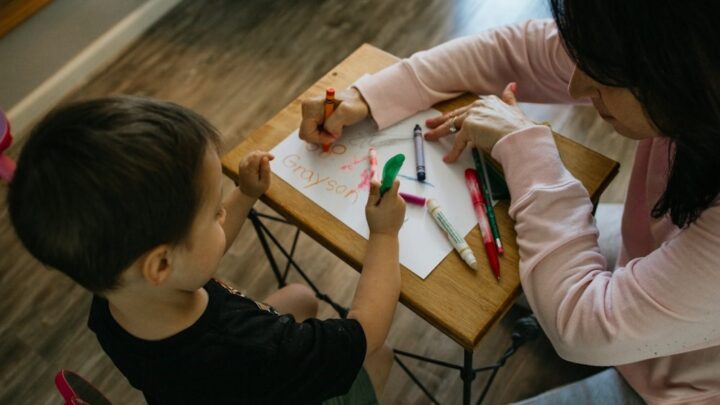
1. Build an environment that fosters reading and writing in your home. Things such as books, educational toys, learning supplies and an area that is dedicated to learning will help with writing in particular. Writing is largely hand  or eye coordination ad the more that you can encourage your child to write and draw, the stronger those skills will develop.

2. If you are working with your young child on learning to read or write, ensure that the sessions are brief in nature. Young children have short attention spans and you will want to have effective, short lessons that are spaced apart. This method of teaching will ensure a greater retention of the material.

3. Leverage educational tools and teaching aids such as phonics programs, activity lessons, and activity white boards. Children learn by what they hear, see and do, so the more stimuli that you can use to teach your child to read and write, the more effective you will be as a teacher.

4. Use everyday experiences to foster learning for your child. Point to as many stimuli that you come into contact with daily and help them to associate the word with the item in a repetitive fashion until your child picks it up. For example, when you are driving if you see something of interest like an animal, or a landscape or even another car, point at it and use the word.

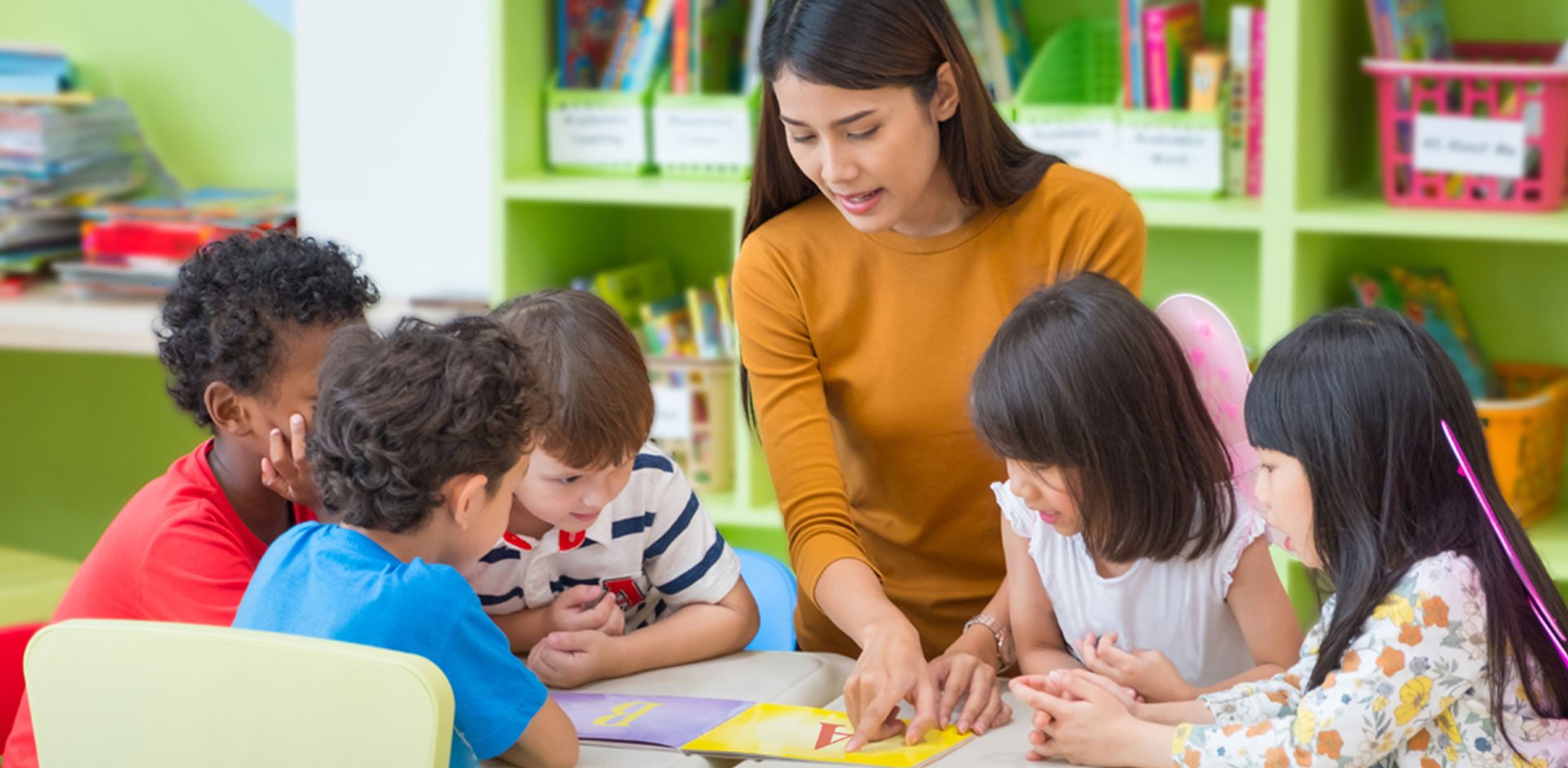
5. Reading is a great way to teach your child both reading and language skills. Young children love to hear stories. So, choose books that weave stories together with learning to engage your child. Point to the pictures and say the associated words to help your child to learn them as well. Read a variety of books to your child to also help them expand their learning capabilities.

6. Work to make learning fun for your child. Working with different lessons, different learning tools and different environments will not only help your child to learn, but it will help them to build an appreciation and a fondness for the learning process.

7. Be consistent with your children when you are teaching them something. This requires discipline on the part of the parent, but is necessary to reinforce concepts and ideas. Work with your child until they have grasped a concept and then move onto the next learning concept.

8. Use positive reinforcement when you are teaching your child. It is important that your child does not associate learning as a negative process,so reward when appropriate and be encouraging when they are having challenges with a particular subject or area.Teaching your child to read and write is something which should go beyond preparing them for going to school. You should continue to do reading and writing with your child out of school as they may wish to clarify points with you that they do not want to ask their teacher.

Understanding The Importance Of Outdoor Play For Children

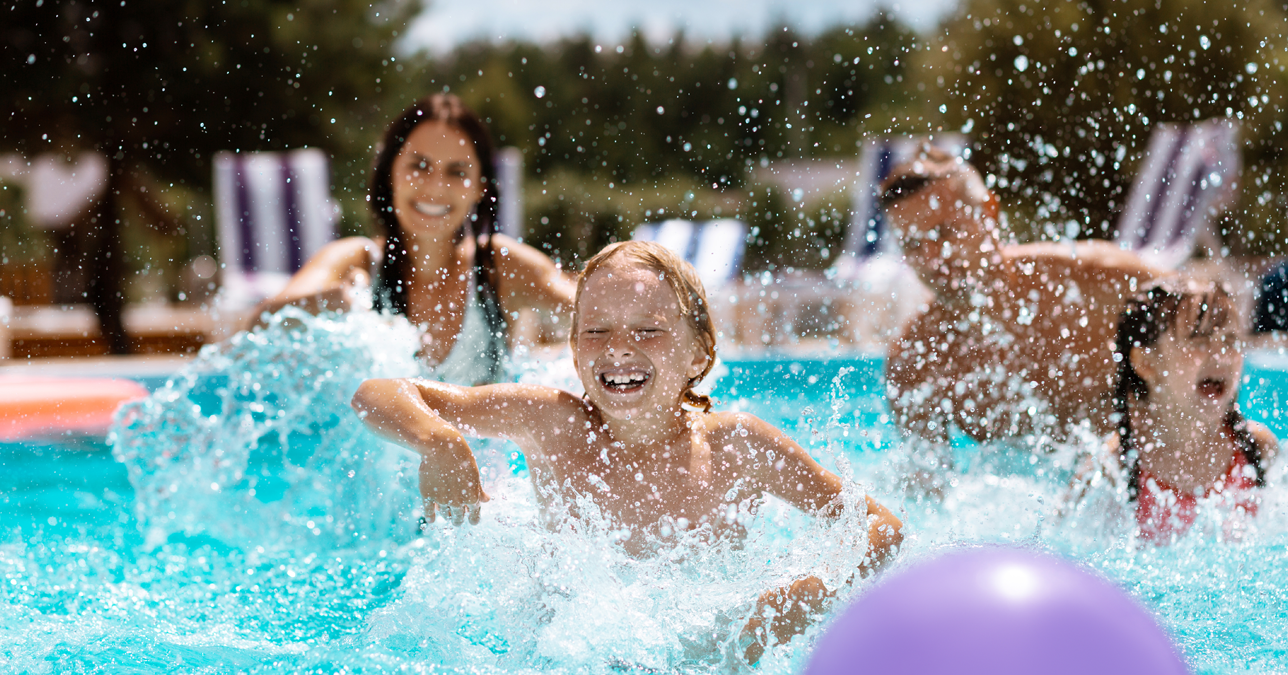
Within childhood education and development fields, the principal that free play is one of the best methods whereby children learn and develop is widely accepted. Free play occurs most spontaneously in outdoor settings where little adult supervision is required. Play helps children develop confidence and social skills and maintain physical fitness. Play also allows parents supervising to offer guidance, model appropriate behavior in the playground setting, and build memories that will last a lifetime.

It is important that children have the opportunity during the day to experience spontaneous play where they can utilize their creative potential and safely explore the world around them. During outdoor play, children have the freedom to yell and run, and they are encouraged be more enthusiastic and energetic. Outdoor play allows children to experience the world in which they live through sounds, textures, smells, and hands-on interaction. Research indicates that playing outdoors can enhance both the psychological and emotional well-being of children.

Children reap many benefits from outdoor play. Not only do they expend energy and exercise their bodies, but they also learn, grow and develop through outdoor play. Outdoor play is essential to motor skill development in children. During outdoor play children practice physical skills such as running and climbing. While adults often have to remind children of the hazards of certain actions, it is often the case that children will have to learn through mistakes. Children learn risk management while participating in various types of outdoor activities. With practice the child can learn to master the skill and experience the satisfaction of overcoming a previously difficult task.

Outdoor play can enhance a child’s intellectual and cognitive development. The outdoors provides endless prospects for exploration and discovery. Children are able to discover how things work, and they also have the occasion to learn about plants, animals, insects, and the environment in general. Children may discover how long it takes them to run a certain distance or how much sand a pail will hold. Perhaps they will have the chance to see a bird building a nest or watching a garden grown. The possibilities for learning in an outdoor setting are unlimited. While playing outdoors children exercise both their bodies and their brains.

Social development and interaction are also important aspects of outdoor play. Children learn to differentiate between behaviors that are appropriate outdoors and those that are appropriate indoors. Sharing, negotiating and communication are all important ideas that children learn while playing with other children.Additionally, children can begin to experience independence. They can begin to assess who they are in relation to others and who they are independently. This is important in the development of friendships and this also helps the child to build confidence in their abilities.

Children who are more free to spend time out doors, gain courage in moving through the larger world. They should gain the ability to navigate their immediate surroundings, in safety, thus laying the foundation for the competence to eventually lead their own lives. Play is an important factor in child development. It provides for interaction, experimentation, and moral development.

keep looking »
  • Categories


  • Calendar

    July 2010
    M T W T F S S
    « Mar    
     1234
    567891011
    12131415161718
    19202122232425
    262728293031  
  • Tags

    Allergy Babie Babies Baby Baby Care Baby Nursery Furniture Baby Products Care Child Child Care Child Information Children Children's Literature Children Books Children Care Children Clothing Children Education Children Shopping Childs Cloth Diapers Clothes CPR Training Courses Diaper Covers First Aid Training Courses Food Gifts for Children Guide Importance Nursery Furniture Store Organic Baby Clothing Outdoor Personalized Children's Books Reading Trampoline Trampoline Accessories Trampoline Information Writing