

Pawn Shops Melbourne: What to Check Before Selling Gold
March 14, 2025Selling unwanted gold can look straightforward, but the quality of an offer depends on more than the number quoted across a counter. People researching pawn shops Melbourne often want a convenient local option for selling jewellery, coins or other valuable items, yet different businesses may assess the same piece in different ways.
Understanding how gold is tested, weighed and valued gives sellers a better basis for comparing offers. It also helps separate the underlying metal value from other factors such as craftsmanship, collectability or resale potential.
Table of Contents
What Happens When a Pawn Shop Values Gold?
A gold valuation normally begins with identifying the item, checking its purity and measuring its weight. These factors help establish how much actual gold the piece contains.
Purity may be indicated by a hallmark such as 375, 585, 750, 916 or 999. Common relationships include:
| Marking | Approximate Gold Purity |
|---|---|
| 375 | 37.5% gold, commonly 9 carat |
| 585 | 58.5% gold, commonly 14 carat |
| 750 | 75% gold, or 18 carat |
| 916 | 91.6% gold, commonly 22 carat |
| 999 | Approximately 99.9% pure gold |
A hallmark is useful evidence, but it does not prove authenticity by itself. A buyer may perform additional testing when the purity is uncertain.
Once purity and weight are established, the business can assess the item’s metal content against prevailing gold-market conditions. Jewellery with significant craftsmanship, gemstones, a desirable maker or collectible value may require a different assessment from ordinary scrap gold.
Does the Spot Gold Price Determine What You Receive?
No. The spot price is a market reference for gold, not a guaranteed retail payout for jewellery or scrap metal.
An offer can be influenced by the item’s purity, weight, form and potential resale use. Refining requirements, business costs and market conditions can also affect the amount offered.
This distinction matters because two pieces that weigh the same may contain very different quantities of pure gold. An 18-carat ring, for example, contains 75% gold, while a 9-carat piece contains 37.5%.
Sellers comparing gold buyers options should therefore ask how an offer was calculated rather than judging it solely against a headline gold price.
What Types of Gold Can Usually Be Assessed?
Gold does not need to be fashionable or wearable to have value. Depending on the buyer, items presented for assessment may include rings, bracelets, chains, necklaces, earrings, broken jewellery, unwanted pieces, coins and some forms of bullion.
Broken jewellery may still retain significant metal value because damage does not change the quantity of gold it contains. A damaged clasp or missing component may reduce resale appeal, but the remaining precious-metal content can still be assessed.
Coins and bullion require slightly different thinking. Their value may be influenced by weight, fineness and the bullion market, while certain coins can also have collectible value. Selling a collectible coin purely for its metal content could overlook that additional characteristic.
Jewellery Value Is Not Always the Same as Scrap Value
One of the most useful questions to ask is whether a piece is being valued for its gold content or as a resaleable jewellery item.
A plain, damaged chain may mainly be assessed according to its recoverable precious metal. A distinctive designer piece, antique item or well-made ring could potentially have characteristics beyond its melt value.
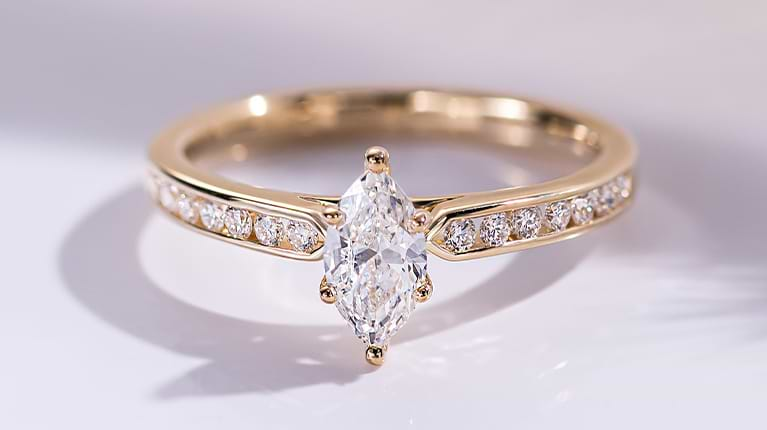
Gemstones create another consideration. If a ring contains diamonds or other stones, ask whether they are included in the valuation, valued separately or excluded from the offer.
This prevents a common misunderstanding: a piece can contain valuable gold while also having features that require a separate assessment.
How to Compare Gold Buyers More Carefully
Price matters, but transparency is equally useful when comparing local businesses.
Before accepting an offer, consider asking:
- Is the item weighed where you can see the measurement?
- Is the purity or testing method explained?
- Are any deductions clearly identified?
- Is the offer based primarily on metal value or resale potential?
- Are gemstones assessed separately?
- Can you decline the offer after the valuation?
- Are the payment terms explained before ownership changes?
Getting more than one valuation can also provide useful context, particularly for higher-value collections. Different businesses may have different resale channels, assessment methods and commercial costs, so offers do not necessarily match.
A website such as goldbuyersmelbourne.com.au can also serve as one point of reference when researching gold-selling services available to people in Australia, while comparison with other local options can help sellers understand the range of approaches used in the market.
Local Pawn Shop or Specialist Gold Buyer?
The right option depends on what you are selling and what matters most to you.
A pawn shop may handle a broad range of valuables and can be convenient for someone who wants an in-person transaction. A specialist precious-metal buyer may focus more heavily on gold purity, weight, bullion and refining value.
Neither model automatically produces a better result.
Someone selling a simple broken gold chain may care mainly about transparent testing and metal valuation. Someone selling an antique piece, branded jewellery or a collectible coin may benefit from asking whether the buyer considers resale or collector value as well.
The useful comparison is therefore not simply pawn shop versus gold buyer. It is how each business evaluates the particular item you own.
Prepare Your Gold Before Seeking a Valuation
A little preparation can make the process easier without altering the jewellery itself.
Create an inventory when taking several pieces for assessment and consider photographing higher-value items beforehand. Keep any receipts, certificates, original packaging or documentation that may help identify branded jewellery, gemstones or collectible coins.
There is usually no need to aggressively polish or modify a piece before valuation. Altering an antique or collectible item can sometimes affect characteristics that matter beyond its metal content.
For valuable items, keep them secure while travelling and understand the terms before leaving anything for extended testing. If an item must remain with a business, ask what documentation is provided.
The strongest position for a seller is having enough information to understand what is being measured, how the offer was formed and whether another valuation would provide useful comparison.